What I Would Tell My 17 Year Old Self (MRKH Edition)

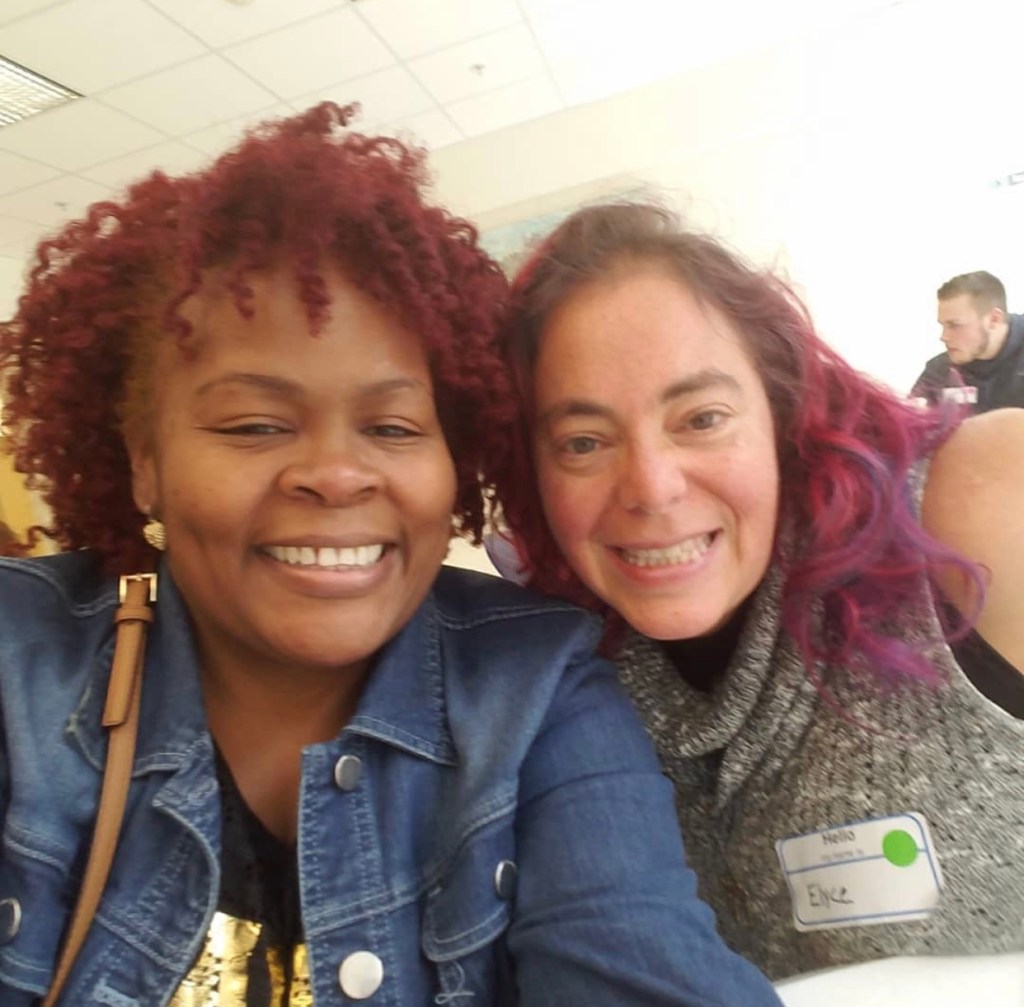
Elyce Frydman

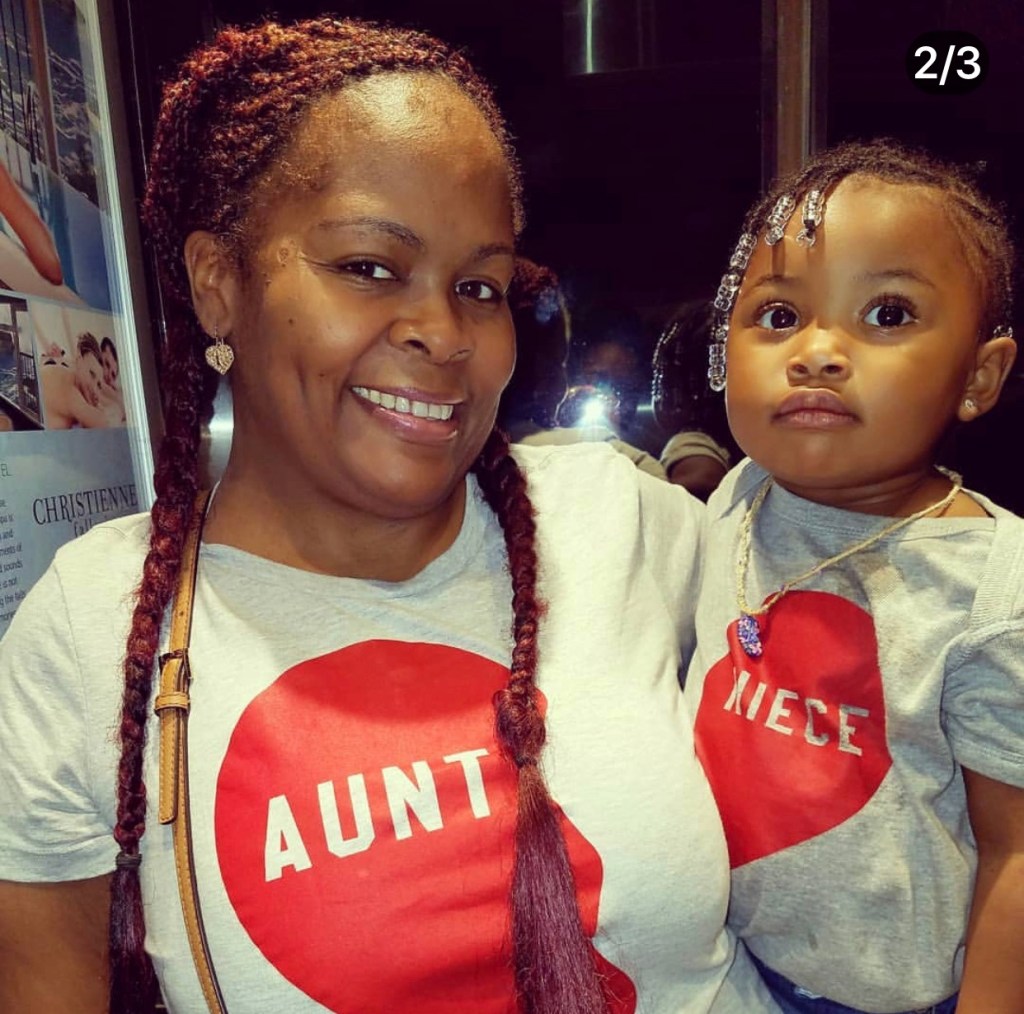
Dearest teen Elyce,

It seems odd to write to my younger self but who else can advise you about life better then me. At sixteen years old this thing happened and you felt like your world crumbled. You got this diagnosis called MRKH and so many thoughts ran through your head. You sat in disbelief in the doctors office and then sat many a nights crying by yourself when no one else was looking. You were full of fear…anger…sadness… loneliness…. Your whole being was engulfed in despair and you closed yourself off to so much of your world and built up this huge wall to try to protect yourself. If I could talk to that girl… talk to you…I would tell you so many things that would leave you feeling hope, peace, love, joy happiness and pride of what you truly are and what the world really had to offer you.

The first and most important is that you are not alone. You don’t have to go through the ups and downs of life feeling that no one will understand you. Your family has always and will continue throughout your life to support you and your choices. They will love you no matter what and you don’t have to fear that you will disappoint them because you never could. Their love has always been and will always be unconditional. But it isn’t only their love and support you will feel. You will also have many friends throughout your life that will touch you in some way and you will learn things from each of them. You will find a solid foundation of trustworthy kind people that you will be able to call life long friends. There will be people that you will open up to. Some of them may not have the same experiences as you, they will be there for you during your triumphs and failures….they will be your biggest cheerleaders and the largest shoulders to cry on. And even though you have feared opening up about your MRKH with any of these friends or family right now, there will be a time that you do not shy away or try to avoid women like you. You will embrace them as sisters and cry and laugh and support them in ways you never though was possible. I wish I could tell you to embrace that love at this early age instead of avoiding and fearing it just because you don’t want to recognize that this has happened to you. Just like love and beauty and kindness is part of life, so is pain and fear. Sharing these feelings with trusted friends is so much better then holding all of it in and dealing with it all on your own.

Don’t shy away from the resources presented to you. In fact search them out. Through this search for knowledge, particularly about MRKH you will find this community that you will embrace. You will find sisters, women who support each other and who you will support. You will have women that encourage you and that you too will encourage. With these courageous women you will find your own power. You have it in you. You just need to believe in yourself. Just see what others see in you because you are strong, you are loved and you are beautiful! Forgive yourself and know that you are not perfect but no one is and its ok to make mistakes. You will try things like dilation …. A lot….you will start and stop and start and stop again and you will realize that it isn’t for you. Sometimes you will feel like a failure because of it but you will also understand that all of it is your choice. You have a right to make those choices cause its your body and your mind and your needs and not anyone else’s, and that’s ok. I wish you knew that it was ok to take care of yourself first, emotionally and physically. That is a lesson that you will continually learn and work through throughout your life and that that’s ok too. Don’t hold onto things that you can not control or do anything about. You can’t change that you were born with MRKH but you can learn from it and embrace that yes it is a part of you. But there is also so much more that makes up you. In fact, there are a million things that make you who you are. Know that its ok to love each and every one of those pieces.

Know that you are deserving of love. That MRKH does not define this worthiness. Know that you will succeed at it and fail at it. You will cycle through it again. Even though you may have relationships that come and go, it does not mean that you failed them because of MRKH. Relationships aren’t just encompassed by MRKH but by so many more factors. Don’t let anyone give you the sense that it is the reason for a failed relationship. That person only presents the most obvious reason why you shouldn’t be with them in the first place. The person that loves you, loves everything about you. They accept the person that you are – the good, the bad, the ugly and everything in between. I know you think right now that for someone to love you is an impossibility because you can’t give someone children. That you can’t be that wife or mother in what you deem as society’s idealized family. This isn’t the truth. Families come in many forms and you will build the family that is right for you. You will be a wife and you will be a mother. First to a plethora of animals and then to two beautiful children that you foster adopted. It wont matter to you that they didn’t come from your own womb. You will realize that being a parent isn’t about biology but about what is in your heart and soul. You will love your daughter and son with all that is in you. When they look at you they will not care about blood but will care about your kindness and your love, the values and faith that you teach them and the fact that your love will forever embrace them.

The hardest fight you will have in life will be with yourself…. With your own demons and you must realize you are your own worst enemy. You must fight that little voice that says you are ugly, or not worthy or not enough. Because in reality people don’t see you that way. They see you as courageous and strong, beautiful and kind, intelligent and open hearted. So if they can see you that way. See it in yourself. Life speeds by in a blink of an eye so don’t hold on to self hate. Finally just believe. Believe that the impossible is truly possible because it is!

Love your older and much wiser self!

Hugs, 

Elyce the elder

Posted in Uncategorized | Tagged , , , , , , , , , , , , , , , , , , , , , , , , , , , , , , , , , , , , , , , , , , , , , , | Leave a comment

What I Would Tell My 17 Year Old Self (MRKH Edition)

Badia Atcherson

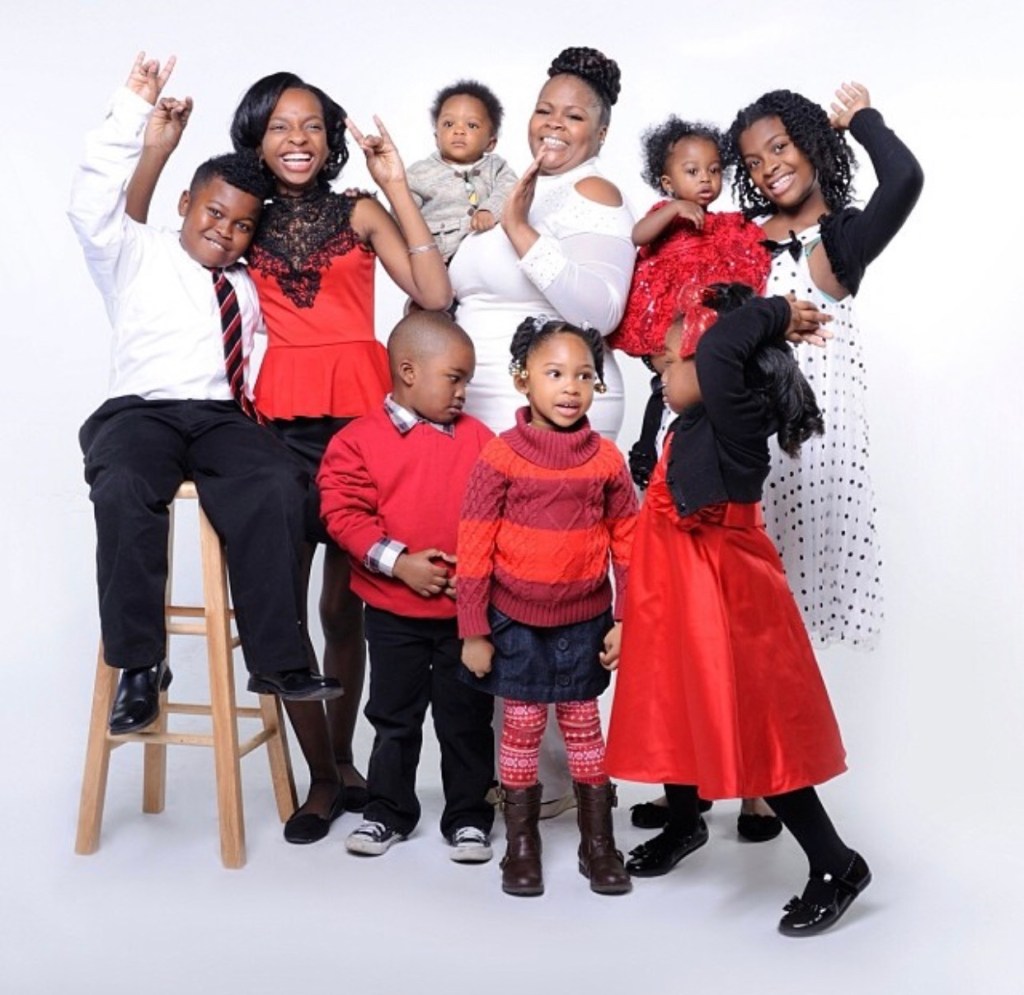
Dear Badia,

Who am I?

This is your 45-year-old self-writing you. I am writing you to encourage you. This time will pass. The words” you are not able to have your own children”, are words that will forever stay in our memory. The feeling of being incomplete will dance in your mind, crushing your heart every time you think about it.

Badia, you have purpose. You are purpose. Your purpose is to live and share the strength God gives you. You are strong! You are resilient! You are passionate. You are compassionate about the people and things that come your way. You are creative. You find creative ways to help others recognize their strengths. Your desire to nurture shows in ways most would ask “how did she come up with that”, or they will say how thoughtful you are. All these things make you special. Your special attributes are part of the process. The process to get you to a place of peace and understanding.

If I tell you that the process to understanding MRKH is easy, I am telling a story. To fully understand MRKH you must accept it. Once you accept it, you learn to walk out your truth. A truth that you continue to live throughout your time on earth. There are days I feel confused and angry. I feel shame.

The tears you shed, wanting to be “normal”, will eventually be replaced with tears of joy. You learn that you are special to God, your family, and friends. You learn that your uniqueness is the very thing that allows your light to shine. Yes, you are light, your light shines in ways that causes people to look and wonder who you are. They wonder what is it about you that makes you different?

You are purpose. Your purpose is to be a sounding board. A ray of hope. An encouragement for the women you will eventually meet. You are not alone. There are lots of us. We are not onlyBlack/African American women, we are women in Europe, Asia and Africa. Our MRKH Sisters are around the world, and most of us share the same feelings and thoughts.

The more you learn about MRKH, the more you understand yourself. The nights wondering if a miracle will happen, bringing you the baby you always needed and wanted. The answer is no. The baby does not come. However. You learn that life moves on. Life moves on teaching you more about what it means to love yourself. You learn to love you. You do not always hide your gift (MRKH), you will learn to embrace your down moments.

The thoughts of never finding real love will no longer burden you. You love. You receive love in ways that will blow yourmind. You learn to teach people how to love you, how you desire to be loved. You learn how to share your heart with others, allowing them to see the scars that you find too shameful to share. Your life goes on.

Life continues to happen. Babies are born. Oh, and they come in twos. So, brace yourself. It is exceedingly difficult to fathom at times. Your tolerance level is challenged. Our loving siblings just keep having babies, repeatedly making you “auntie”. The tears do not lessen, they are seen and heard. You receive the love and concern you yearn for.

However, to receive the love and concern, you have to stop pretending you are strong and/or busy. Share your pain. Once you share your pain, you illuminate even brighter. Your light is seen, and your desire to nurture is shown. Our loving siblings will proudly share their children, allowing you the opportunity to experience motherhood in a different way. You are an awesome Godmother, which is fun and fulfilling.

It may seem difficult to find a good relationship. At times, you are uneasy, unable to share your inner most secret with just any man. Having conversations about our gift are difficult. Remember what we have is a gift. Most men do not deserve our company. So, when you find yourself in that one relationship (you know who he is when you meet him) where you feel safe, share our gift with him. He may not be the one you marry, but He will be kind and understanding. He will give you a loving experience. You will never forget him. Do not settle. Your uniqueness causes you to feel like you must settle and deal with anything a man sends you. Trust me, we are too good for the mess that may come our way. There are heartbreaks and moments that make you feel as if you are not good enough…. Those times will pass. Just keep pushing through.

You are no longer haunted by our dreams and memories of the surgery. Our scar becomes a badge of courage and beauty. You begin to understand that our scar mimics the scar that Jesus has on his hands. His scar reminds us that he did it all for purpose. That purpose being us. You understand our scar and look at itsstrength. It gives you peace and drive. You are driven to speak your truth. The more you speak, the more courage is added to your heart tank. You love yourself more. You accept you. You live and often speak the words “I am ME and I am enough.”

I am Badia Atcherson, and I was born without a vagina! Yep, say it just like that, and watch the responses. Educate them. The spotlight is on you, causing your inner light to illuminate even brighter.

Your purpose is clearer and clearer every time you speak it. Your purpose is being a voice for the women who are not able to speak of the gift, that is MRKH…. 

I Love You,

~Badia

Posted in Uncategorized | Tagged , , , , , , , , , , , , , , , , , , , , , , , , , , , , , , , , , , , | 4 Comments

What I Would Tell My 17 Year Old Self (MRKH Edition)

Dr. Susan Carroll

Kicking off the “What I would Tell my 17 Year Old Self” writing series with Dr. Susan Carroll. Susan wrote a terrific blog post to her younger self in 2019. I remember reading it and soaking up every single word. Susan has turned lemons into lemonade with her MRKH diagnosis, as she just completed her thesis on psychological adjustment on MRKH. Susan is an inspiration to us all and she is the perfect person to launch this series!

Click below to read her letter to her 17 year old self.

https://memyselfandmrkh.com/2019/10/22/a-letter-to-my-17-year-old-self/

Posted in Uncategorized | Tagged , , , , , , , , , , , , , , , , , , , , , , , , , , , , , | Leave a comment

New Writing Series Announcement

✨ATTN: MRKH Community!✨

We all know that being a teenager is HARD! Getting an MRKH diagnosis during this vulnerable time in your life can rock you to your core. Receiving this diagnosis as a young adult can bring feelings of self-doubt, uncertainty, confusion, isolation, denial, self-worth, etc., We are not mature enough to understand all the challenges that come with this life changing diagnosis. Over the years, I’ve learned many life lessons and pieces of advice that I wish I could have shared with my younger self. If I had the knowledge and wisdom that I have now, at age 17, it would have given me the confidence, reassurance and empowerment that I desperately needed at a younger age to know that I would be okay.

With that, I am pleased to announce a new writing series I have been working on for months called, “What I Would Tell My 17 Year Old Self (MRKH Edition)”.

My hope for this series is to bring hope for those newly diagnosed and to be therapeutic for experienced MRKHers to show just how far they have come. I will be sharing two write-ups a week, for as long as I receive submissions. I welcome and encourage everyone who wants to participate, to submit their write-up to me and I will gladly publish it on the Beautiful You MRKH Foundation blog.

I will be launching this tomorrow. 🌟I am so excited!⭐️ I cannot wait to share with all of you a side project I have envisioned for over a year that has finally come to fruition. I truly hope our collective words will not only empower MRKHers, but will also provide hope to care providers, family members, significant others and friends to see – it does get better. This series is for all of us.

I hope you will enjoy it as much as I do.

Posted in Uncategorized | Leave a comment

“The Missing Vagina Monologue and Beyond”

I am thrilled to highlight and re-share this published work by my personal hero and the person who pioneered the MRKH community, Esther Leidolf. Reading Esther’s published work, “The Missing Vagina Monologue and Beyond” transformed my life and I encourage everyone to stop what they are doing and read it. I vividly remember reading this for the first time over 10 years ago sitting alone in my small apartment and soaking up every single word. Esther got it. Esther wasn’t afraid to say what many of us have felt and experienced, but may not be comfortable verbalizing. I printed out copies and gave them to my friends (males included) to give them a snapshot of the challenges I and others have faced due to MRKH. This article gave me the courage and the passion to say this condition can no longer stay in the dark and we need to start connecting and chip away at the shame and isolation. Esther’s work also started the conversation about the necessity of improved care, taking our own bodies back and reducing the stigma and shame associated to MRKH.

Below is an except from “The Missing Vagina Monologue and Beyond.” Click below to read this fantastic and insightful published article.

“Questions have haunted me for too many years because I couldn’t find the words. Knowing other MRKH women has finally allowed me a voice. But I don’t want it to stop there. My condition seems extreme only because it’s unheard of. Many of the women I surveyed want MRKH to become more public. The hope of opening the door to our secret lives in most of us. We exist in a conundrum because our knowledge is powerful but hidden in embarrassment and shame. The approach to our treatment is very extreme but effects all women in subtler ways. Advances in medicine offer men Viagra, but women still get the knife. Scar tissue does not enhance sexual pleasure.”

The Missing Vagina Monologue and Beyond

Posted in Uncategorized | Tagged , , , , , , , , , , , , , , , , , , , , , , , , , , , , , , , , , , , , , , , | Leave a comment

MRKH, THE GHOST OF MY LIFE

➢ My name is Julian Peter a Kenyan and at the age of 17 I visited the doctor for a checkup since I had aching feet and so the normal questions during consultation started. When was your last period? And my answer was I haven’t seen my periods, and that was the beginning of a long journey to living with this ghost for life. I remember the doctor saying that they need to do a check up on my vagina to see if I was ok, and so they did a physical checkup only to find out that I didn’t have the vagina. The doctor then recommended that I go for a scan to see if my reproductive system was formed.

➢ My first scan showed that my reproductive system was formed and that my vagina was closed from the outside and so I went for a minor surgery to open the vaginal canal. I went to theatre and had surgery and after three days I went for another scan which revealed that there was no vaginal opening, uterus, cervix and I had one kidney. In disbelief the doctor ordered for another scan that confirmed the second scan’s results. But the doctor still recommended I do an MRI and this confirmed that I had MRKH.

➢ After my diagnosis the doctor said there is nothing that can be done and I was in shock and disbelief, I cried for few days but the again life had to continue and so I went back to school and continued with my education. I still hoped it was just but a dream and it will soon dawn that I was a normal lady and so I kept hope alive.

➢ After my high school education I had to do my research to be able to understand what I really had since the doctor said I had murelian agenesis and that’s when I found the name MRKH and started learning about my condition and acceptance journey started. During this time I thought I was all alone in the unfair world but fortunately 4 years later I saw Joaneva {a Kenyan lady with MRKH} talking about the condition and I knew I wasn’t alone and so I searched for her and I was connected to many other ladies with MRKH. It was really amazing meeting my sisters.

➢ When I met my MRKH sisters I was able to share without any judgments from them since they understood me and what I was going through. They shared their love, and years later I was able to undergo constructive surgery to create a vaginal canal which I had prepared for both physically and emotionally since it’s a process and can be emotionally draining.

➢ Having MRKH has taught me to appreciate the smallest of things in life and I have been able to accept that I will never carry my own baby. Family may never understand how it feels to have MRKH but my mum can only understand how it feels to have a daughter with MRKH. Some extended family members and friends feel that am shaming them by going public and the feel that I should stop talking about it but it’s all my decision to make people understand there is such a condition and we shouldn’t be treated differently. We should have access to medical care without feeling humiliate about having MRKH. We shouldn’t feel less of women just because we can’t have kids. We need to feel good enough about ourselves; we need to be happy without anything getting in the way.

➢ People will always feel that you aren’t good enough, you are not worth it but the right people will come your way at the right time. Suitors will leave but the right one will surely come. We only live once enjoy it when you can because you only have yourself to make you happy don’t just give up, rest if you must but just don’t give up.

MRKH, the ghost of my life

Posted in Uncategorized | Tagged , , , , , , , , , , , , , , , , , , , , , | 5 Comments

Common Ground: An interview with Kimberly Zieselman, author of XOXY

It’s kind of amazing how we might surprise ourselves by doing something we wouldn’t usually do right now. We are quarantined and stuck wherever we are stuck. We are navigating a worldwide pandemic with contradictory approaches. We are doing our best to keep our livestogether. As this drags on I find myself faced with more and more Covid-19 restrictions. I’m having to rethink my usual responses to situations and I’m really pissed. It has also given me a fresh opportunity to look at said responses.

During Covid-19 shelter in place I decided to do two things I don’t usually do. I read a memoir; AND I read a book written by someone I know. I don’t do these things because I don’t want to be put on the spot with an opinion, and I also get jealous of good writers. Neither reaction bodes well but I’m really glad I took the leap. What could be more appropriate for an intersex activist / MRKH Warrior than having to create my own normal and my own response to life around me? Unlike most people regrouping to deal with COVID-19, some of us get to say, “Been there. Living that!” “You think your life has been turned upside down? Have I got a story for you?” So I strayed from my comfort zone to 1) read a memoir and 2) read one by someone I know, like and respect. I was breaking two of my rules in one brave leap.

The memoir in question is XOXY by Kimberly Zieselman. I know Kimberly because we are both intersex activists with similar traits. I was born with MRKH and Kimberly has CAIS. We have many things in common, and the AIScommunity made it a lot easier for me to start the MRKH Organization in 1999 when there was none. But even the things we have in common aren’t strong enough to squelch the fear instilled in us by social expectations. And that fear comes from what we do not have in common. I don’t know, maybe it’s a pandemic response to isolation, but that makes me very sad.

I read the first few chapters and had to reach out to Kimberly. I think it was a relief reaction on my part, but I wanted to tell her that I was loving the book and that I wished I had written it. Boom, both my fears exposed and it felt good, appreciative and connected. But wait, this wasn’t my story. This was written by a woman with CAIS. 

And herein lies the rub. I’m reading this memoir by a woman with CIAS, who has more in common with the MRKH community than I do. It kind of blew me away. Here she is living this completely typical middle class suburban housewife life, heterosexual, married with 2 adopted kids and a professional degree. She was a cheerleader, for crying out loud, but that is when the bottom fell out of her typical life. All because of that pesky Y chromosome, and being born with balls, which she didn’t find out until much later.

It took me back to a time in the 70s when someone heard about my vaginoplasty and assumed that made me a “transsexual”. During a violent confrontation I found myself thinking, “But I’m not like that”. It was as though “that’ was someone so terribly wrong that no one would want to be ‘that’. During this most vulnerable moment I reached for anything that would make me different from ‘that’, so I could feel safe.

I was fascinated by this; by how typical Kimberly’s life is, and by how what she represents is so feared. Hers is a story of commonality. Her doctor’s visits could have been my doctors’ visits. I certainly shared the insecurities that surface when she had to unlearn all she thought she knew about herself. I personally feel much safer knowing that we have things in common with even more people. Being 1:2000 feels a lot less lonely to me than being 1:5000.  And yet, I’ve been in the MRKH community long enough to know how much it upsets people to think we could have anything in common with someone ‘like her’ or the intersex community. Trusting her as I do I had to explore this fascination and ask……

EL: I’m trying to understand how you went from HS Cheerleader / surburban housewife to Intersex representative at the UN. Can you share a little about what those steps looked like? In broad strokes.

KZ: I always wince a little at the “housewife” reference but understand the point being that up until about age 40 my life was fairly typical for a middle-class American female raised with fairly traditional values. I’ve always identified as female (although struggled at times to feel like a “real” woman due to my intersex body), appeared feminine and been heterosexual. In my mid to late twenties after completing college and then law school I married my husband of 27 years. For nearly a decade it was just us as I began my career in nonprofit law and policy, including Boston Children’s Hospital. In my mid-thirties we adopted twin daughters and I eventually took some time off to focus on motherhood and my career took a back seat. It was during that time that I discovered the truth about myself – that I had CAIS, born XY chromosomes and internal testes – not partially formed, pre-cancerous ovaries and uterus as I had been told early in my teens. After a couple years of finding information and support on line and meeting several others like myself, I was ready to put my education, professional experience and personal passion to use on behalf of the broader intersex community – especially children. After meeting interact (then called “Advocates for Informed Choice) founder Anne Tamar-Mattis at a conference, I began doing some volunteer fundraising and was later hired on full time, becoming Executive Director eighteen months later. The rest, as they say, is history.

EL: You refer to yourself as an “Intersex” woman. What does that mean to you?

KZ: I choose to refer to myself as an intersex woman because most of my life I identified as only female, and in the last dozen years since discovering the truth about my body, now also as intersex. “Intersex” refers to being born with physical sex characteristics (such as chromosomes, genitalia, reproductive organs or hormones) that don’t line up with what is typically considered either a male or female body. So, by definition, I am intersex. But I am also a woman. And so much more.

EL: I had to laugh about the part when Charlotte got her period and you were glad you weren’t home so your husband had to deal with it. When my partner was pregnant, I remember hoping for a boy so I could skip girl puberty. What has it been like living through puberty with them?

KZ: It was probably my greatest fear about adopting daughters! It underscored my own deep feelings of inadequacy of not only being a real woman, but of being a real mom! But it all worked out. My girls have known I was intersex since just before they entered puberty and today are quite proud of their mom (despite my inadequacies!)

EL: You mention something about being the only straight person in the room sometimes. Was it uncomfortable to be around such a diversity of queer people, or just a new experience for you?

KZ: Discovering I am intersex has opened up my world in many wonderful ways, making it much richer than ever before. I have become much more aware and accepting of differences and diversity in humans. Specifically becoming an intersex advocate and doing the work I do at interACT has exposed me to a wonderfully diverse array of people particularly folks who identify as part of the queer community. And while I don’t identify with any of the other letters in the rainbow acronym, and my life experience is different from many queer folks, it is the common experience of being discriminated against and harmed based on authentic differences (in my case, bodily difference) that provides a sense of empathy, compassion and community. It has been my experience to date that the vast majority of intersex people choosing become activists are also queer. Therefore, I often find myself in rooms (often virtual) where I am one of the only, if not the only straight person. At the beginning of my work over seven years ago this was a new experience that proved challenging at times but mostly highly rewarding. I am still learning and growing. It is also my hope that more non queer intersex women will feel comfortable publicly sharing their stories as well. Sometimes I fear the intersex experience is presumed to be only a queer experience. But that is far from the truth. Whether non queer women with differences in their sex characteristics choose to identify as “intersex” or not, they are still by definition in the same category and their voices need to be heard.

EL: Intersex seems to increasingly be included under the LGBTQ+ umbrella. Do you agree with that growing trend?

KZ: It’s been included outside of the United States for quite some time now and is increasingly being included here as well. Generally speaking I agree with the growing trend from the perspective of activism because hands down the rainbow community has been the first to step up as allies including funding. The fear of difference (and in some cases flat outhomophobia) that is driving medically unnecessary harmful medical intervention on unconsenting intersex children is very similar to the fear driving the various examples of hatred and discrimination against members of the queer community. It’s notable that I am saying this as a non queer person (some would even call me a “middle class housewife 😉 ) But I can also honestly share that Iam increasingly thinking about the large number of intersex people (by definition, despite how they may identify) who are not finding community or protection through advocacy because they don’t see themselves as part of the LGBTQ+ umbrella. Frankly, many whose personal narratives and experience in the world more closely mirror my own. I would genuinely like to figure out a way to collaborate more directly with these folks, including many in the MRKH community.

EL: What do you say to people who might fit under the Intersex umbrella but don’t identify themselves at Intersex.

KZ: I think about this alot, and haven’t really figured out what to say – but I’ll take a shot. First, I want to say I have no judgement and I can truly understand why some are not comfortable identifying as intersex.  Second, I want to say if you are comfortable identifying with the word and/or accepting that your body meets the  definition of intersex, then it does not mean you have to consider yourself a part of the LGBTQ+ umbrella.  Third, I believe intersex is a broad umbrella term itself, and that there is room for many different believes and experiences despite how it might seem sometimes. Personally, when I think of the term “intersex” I focus on the shared experience of being born with sex traits that are a bit different from the binary and how that impacts us in the world (both positively and negatively).  I don’t think of it as a gender and certainly not as a sexual orientation.  I humbly suggest you don’t have to think of that way either. 

EL: How do you think having CAIS has shaped your relationships with family? friends?

KZ: For many years the realities of being born with CAIS has caused me to feel inauthentic. For example, not a “real” woman or mother because of my bodily differences and inability to get pregnant. I think at some level this made me feel distant and put some walls up particularly in my female friendships. It has definitely impacted my relationship with my parents. Did they know the truth but conceal it from me? Those are issues I have mostly worked through, but yes being born intersex has shaped my relationships in one way or another. This was particularly true before discovering the label of “CAIS” and understanding all that it means. After learning the truth about my body and previous medical intervention, I have generally felt much more authentic and confident which I think has translated into better relationships in my life. The truth in many ways set me free.

EL: I know what can happen to people who believe so deeply in their work. Sometimes you never turn it off because you’re living it. Was there a sign that told you it was time to pull back? And IF SO, what was it?

KZ: Well, as I write this, I am about to embark on a three-month sabbatical from intersex work. As I allude to in my book, there have been times when the impact of doing this emotionally heavy labor has taken a toll. And I am not alone, many intersex advocates have experienced substantial burn out and emotional fatigue. It’s a real problem in our community.  Most of us are operating from a place of past trauma to begin with.  I am fortunate to be able to take a break now and hopefully come back refreshed and recharged – but also with a new perspective on finding more balance.

EL: Your work includes advocating in the courts and legislatures for new laws and policies to change the current medical practices by physicians who treat intersex children. Why have you and interACT taken this arguably more adversarial approach?

KZ: Despite having a law degree, by nature, I am not a confrontational person. When I started doing this work, I was hopeful that increased awareness, communication and collaboration would change harmful medical practice. I have always been the “good girl” doing what my parents and doctors asked. But I am afraid that the well-meaning, collaborative educational approach has not delivered much change after more than a couple of decades (predating my involvement). So, interACT has turned to other tactics such as legislation and lawsuits, while also ramping up our awareness raising efforts and engaging in collaborative education opportunities when possible. It has taken me out of my comfort zone, but my own experience over the last few years has proven it to be necessary. I welcome the day when a more collaborative approach can serve to benefit the intersex community, especially vulnerable intersex babies and children.

Thanks Kimberly, for sharing yourself so openly. As someone who knows the toll that such intimate activism can take on us I know how hard that can be. Since diagnosis and treatment for MRKH and CAIS/PAIS/AIS are so similar and usually happen during such vulnerable times in our lives I value what we have in common. Ignorance and arrogance are making a huge impact on the health and well-being of the entire world right now. I am becoming more and more aware of what I have in common with others and relish what I have learned from silenced voices that are living out loud.

Esther Leidolf

Posted in Uncategorized | 1 Comment

My Vagina is on Vacation

Four years ago, when my college put on a performance of the Vagina Monologues, I saw it as an opportunity to finally share something that I had kept inside me for several years—my MRKH diagnosis. With permission of the director, I wrote and performed this monologue. It not only helped me get the word out about MRKH to my community but helped me along immensely in my healing process. As I practiced saying the words over and over again, I started to believe that what I had written was true—that I could be whole, even without a vagina and uterus. 

-Stephanie

Posted in acceptance, awareness, infertility, MRKH, MRKH sisterhood, MRKH supporter, MRKH Warrior, Uncategorized | Tagged , , , , , , , , , , , , | Leave a comment

A Passion for MRKH and Genetics– A Guest Blog by Morten Herlin

Hi MRKH Community. I asked Morten Herlin to talk to you about his recent paper that examined long-term outcomes from various procedures used to create a vaginal canal. After a few missed Facebook phone calls, we ended up communicating via Messenger, and I was pleasantly surprised to find someone who is also exceptionally interested in MRKH and Genetics… I think we could talk for hours about this… Amy Lossie

Hi Everyone,

This is my first blog here at Beautiful You MRKH, and first I would like to use the opportunity to express my excitement for the work Amy and Christina have done establishing this community. This is truly an important job in order to raise awareness and provide a safe place in which you can ask questions and share your thoughts with each other.

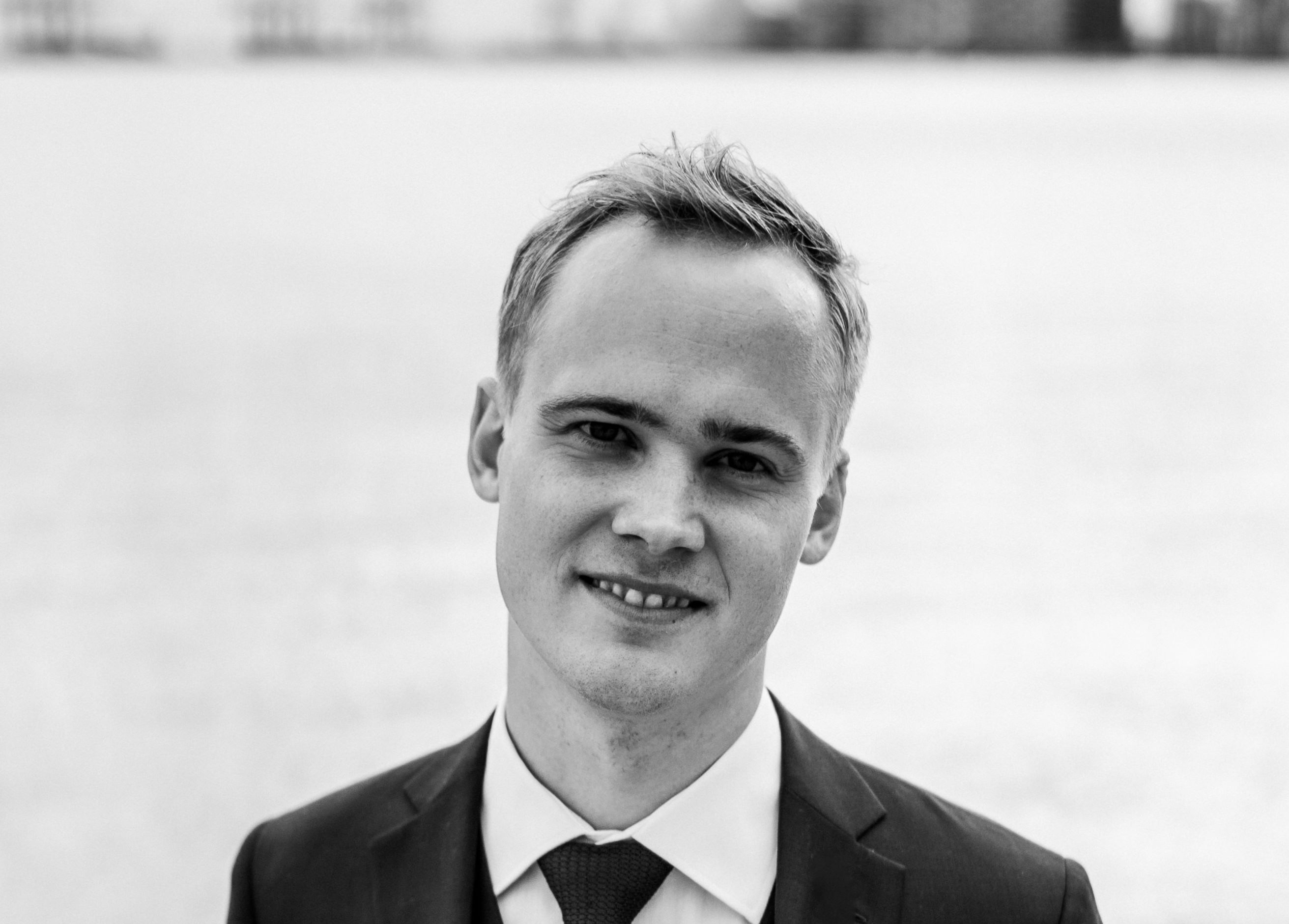
My name is Morten Krogh Herlin, 29, and I am from Denmark. I am a medical doctor and currently doing my PhD at the Department of Pediatrics and Adolescent Medicine, Aarhus University Hospital. Back in 2013 when I was a medical student I first got involved with MRKH research. After attending an MRKH meeting in Poland in 2014 with both patients and health professionals, I came up with the idea to establish a large nationwide population-based cohort on MRKH syndrome named DanMRKH.


44108594_2192513824092293_2709155505053368320_n

The public health care system in Denmark provides a universal fully tax-funded health care with free access to hospitals and primary medical care. Together with the thorough registration of diagnoses, it provides an optimal setting for doing population-based research, which is generally lacking in the published MRKH literature. First, we reported on the prevalence and patient characteristics. This study (link) is one of only two nationwide population-based studies in the literature to investigate the prevalence of MRKH syndrome (both reporting 1 in 5000 female live births).

Just recently, we published the second study (link) looking at the long-term anatomical outcome following the treatment of vaginal agenesis in MRKH syndrome by reviewing the patients’ medical records. Owing to the nationwide setting, we could include patients from all specialized centres in Denmark that perform different kinds of treatments. The most frequent treatments used were split-skin vaginoplasty (McIndoe operation), self-dilation (Frank’s method) and coital dilation (dilation by intercourse, d’Alberton’s method), which were included in the statistical analysis. Our conclusions support the current recommendation by the American College of Obstetricians and Gynecologists (ACOG) (link) of dilation as the first-line therapy, owing to similar outcomes in vaginal length and much fewer complications compared with surgery. Interestingly, we found that coital dilation had the best outcome and lowest complication rate of all three treatments. This treatment has not been given much focus in the literature, but seems like a promising alternative to self-dilation in patients able to have regular sexual activity. We speculate that the close support of a partner is helpful overcoming the challenges during treatment. Unfortunately, this treatment is not an option for everyone, which has to be considered when discussing the different treatment options.

It should be noted that as our study only used the information found in the patients’ medical records, we were not able to include more subjective measures such as patient satisfaction. Patient satisfaction is the single most important factor for treatment outcomes and we hope to include those questions in a future study. It should be noted that no patients in our cohort had the Vecchietti operation (laparoscopic traction vaginoplasty), which is performed in other countries with promising results.

Finally, it is important to emphasize that there is no perfect treatment to fit all. Some experience difficulties going through dilation owing to different reasons (e.g. discomfort, pain, emotional aspects). These experiences may reduce enthusiasm for continuing dilation, resulting in an unsatisfactory outcome and negative feelings of the procedure for the individual. In these individuals, surgery might be a better option. It is important to stress the necessity of frequent and regular dilation after the surgery to avoid shrinkage of the vagina, which could result in additional surgeries (in our study 33% of patients who underwent surgery needed at least one additional operation). Through patient-centered care and careful dialogue between people with MRKH and clinicians, we hope in the future to be able to identify the most promising, individualized treatment options for each person. Our study and that conducted by the ACOG, the most comprehensive literature review to date (link), conclude that dilation should be first-line offering, as dilation is equally effective and has the lowest complication rate of the treatments we tested.

Now, that the cohort is established, we hope to be able to continue with other studies focusing on various aspects of MRKH syndrome, including genetics, psychosexual aspects and more detailed clinical follow-up including patient satisfaction following treatment. This will, however, take some time to set up.

Thanks for reading!

All the best,

Morten Krogh Herlin

MD, PhD student

Pediatrics and Adolescent Medicine

Aarhus University Hospital

Denmark

Posted in Uncategorized | 1 Comment

Your heart is worth the time. You are worth the time.

There is a Japanese art called Kintsugi.

Kintsugi is the art of repairing broken pottery with gold dusted lacquer to repair it.  The philosophy behind it is to treat the breakage and show it as part of the history of the object, rather than disguise it or throw it away.  Once finished, the broken pottery is shining with gold in all the cracks. The Japanese believe that the history of an object makes it more beautiful.

I’ve dropped a plate before, and it shattered on the ground in dozens of pieces. It looked irreparable to me, and I threw it away. But what if instead I had worked to repair it? What if I had gathered all those pieces together and patiently glued them back together with gold dusted glue? What if I then displayed it proudly, showing that what once was broken I had worked so hard to make beautiful again? What if my formerly normal average plate became a work of pride, despite once being shattered? What if the damage shone beautifully on the plate, like a work of art?

My heart felt like that damaged plate after my initial diagnosis with MRKH. It felt shattered into so many pieces and just that like the plate, it seemed irreparable to me.  I threw it away… I threw myself away.  I couldn’t see how a person I saw as irreparably damaged could ever be beautiful.

Eventually though, my heart refused to be ignored.  And I began working on repairing my heart.  With the help of family, friends, and the support of my MRKH sisters I painstakingly gathered those pieces and put them back together.  I filled my cracks with gold.  And just like the Japanese art of Kintsugi, I came out on the other side shining more brightly and beautiful than before. When I think of my heart now I like to see it with gold filled cracks representing the hard work of the repairs I have made to it.  There is a deep crack representing my MRKH diagnosis. There are also cracks representing other difficult and challenging times in my life. But those cracks are not beyond repair. They just need a little work, and a little patience, to turn them into something beautiful.

Your heart is worth the time. You are worth the time.

~Kristen

Posted in acceptance, awareness, hope, infertility, MRKH, self love, Uncategorized | Leave a comment